
Why Traditional Tattoos Never Go Out Of Style Today
American ink culture holds a special place in the hearts of millions across the country. One style stands out above the rest when we talk about lasting impact. Getting traditional tattoos has become a celebrated rite of passage for many enthusiasts.
These bold designs are instantly recognizable from miles away. They feature thick black outlines and a very specific color palette. You will quickly see why traditional tattoos have survived decades of changing trends.
People of all ages and backgrounds proudly wear these iconic pieces today. You might spot them on a barista in Brooklyn or a biker in Texas. The beauty of traditional tattoos lies in their universal appeal across the USA.
This article will walk you through everything you need to know about this timeless art form. We will explore the roots of the style and what makes it so unique. Prepare to fall in love with traditional tattoos all over again.
Many newcomers to the body art community wonder where to begin. Starting with a classic design is always a remarkably safe and stylish choice. These motifs have proven their worth through generations of wearers.
The simplicity of the artwork is incredibly deceiving at first glance. It actually takes immense skill to execute such perfect and bold lines. We will break down exactly what makes the technique so difficult to master.
You will also learn how to properly care for your fresh ink. Healing your skin correctly is the key to maintaining those vibrant primary colors. Good aftercare ensures your artwork stays beautiful for your entire life.
Sit back and get ready to absorb a wealth of cultural knowledge. The world of American body art is vast and incredibly fascinating. Let us dive right into the history behind these legendary designs.
The Rich History In The USA

The story of this art begins heavily with sailors and the military. Men serving in the armed forces wanted permanent reminders of their travels and loved ones. This desire birthed the earliest wave of traditional tattoos in America.
Sailors would return to port cities with fresh ink covering their arms and chests. Artists like Norman Collins helped popularize the aesthetic in Honolulu during the mid twentieth century. He became a legend in the world of traditional tattoos through his iconic flash sheets.
These designs eventually moved from naval bases into mainstream American culture. Rebellious youth in the fifties and sixties began adopting the look. Soon enough traditional tattoos became a symbol of counterculture pride.
Today you can find elements of this history in almost every local shop. Modern artists still study the old flash sheets to perfect their craft. We recommend checking out a local museum to learn more about the historical context of ink.
During the early days artists worked with very rudimentary machines. They built their own equipment using whatever motors they could find. This rugged DIY spirit heavily influenced the bold aesthetic we know today.
Shops were often located in rough neighborhoods near bustling shipyards. The clientele consisted mostly of rough sailors and wandering travelers. Getting a piece of art was considered a highly rebellious act back then.
The perception of body art shifted dramatically as decades passed. Celebrities and musicians began proudly displaying their classic sleeves on television. This exposure brought the aesthetic directly into living rooms across the nation.
Now we see doctors and lawyers sporting massive eagles on their chests. The stigma surrounding body modification has largely faded away in modern society. We owe a huge debt of gratitude to the pioneers of the craft.
Core Elements Of The Style
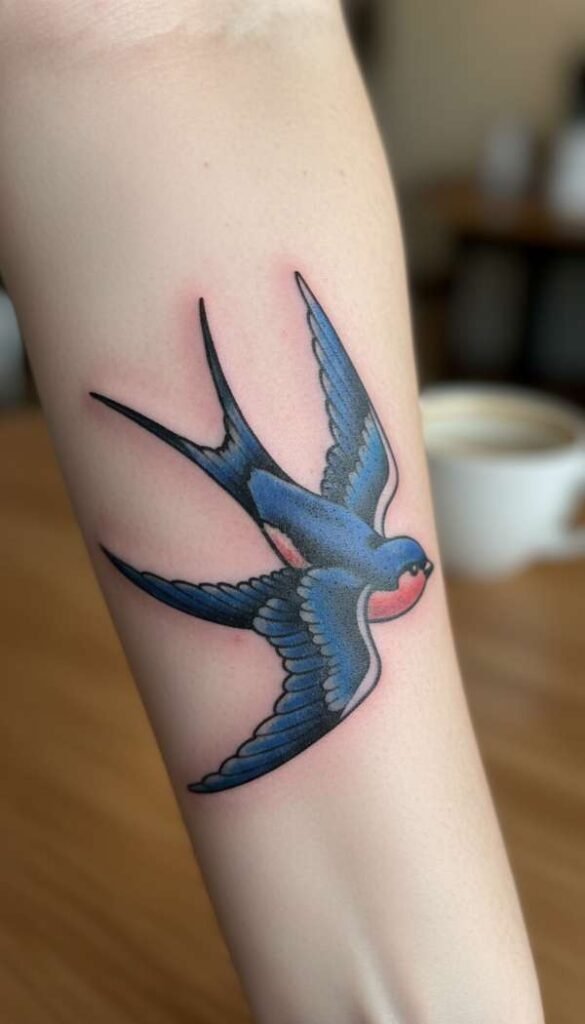
What makes a piece of art fit into this specific category? There are very strict rules that define authentic traditional tattoos in the industry. Artists stick to these guidelines to ensure the piece ages beautifully over time.
The first major rule is the use of bold black outlines. These thick lines hold the entire design together and prevent the ink from spreading. Good classic ink relies heavily on a strong structural foundation.
Color choices are also highly restricted in this classic and vintage style. Artists typically only use primary colors like vibrant red, deep blue, and bright yellow. These specific pigments help classic designs remain legible after decades of sun exposure.
Shading is another crucial component of the overall visual look. Black whip shading creates depth and contrast within the simple shapes. It is fascinating how traditional tattoos achieve such dimension with minimal palettes.
The negative space is just as important as the packed color. Leaving skin breaks allows the design to breathe and stand out clearly. This deliberate technique separates masterful artwork from amateur attempts.
There are several hallmark features you will instantly recognize in a classic parlor. Examining a flash sheet will reveal these universal design choices. Let us look at a few common elements you will always see:
- Thick black outlines that never waver.
- Solid color packing with absolutely no gradients.
- A stark contrast between black shading and negative space.
- Highly readable designs from a great distance.
- Motifs related to Americana and military history.
Modern advancements in ink quality have definitely improved the process. The pigments used today are much safer and more vibrant than older formulas. However the strict rules of the aesthetic remain completely unchanged.
Artists who stray from these rules are often categorized differently. They might be creating neo classic or illustrative pieces instead. Purity in the technique is highly respected by true aficionados.
Popular Designs And Their Meanings
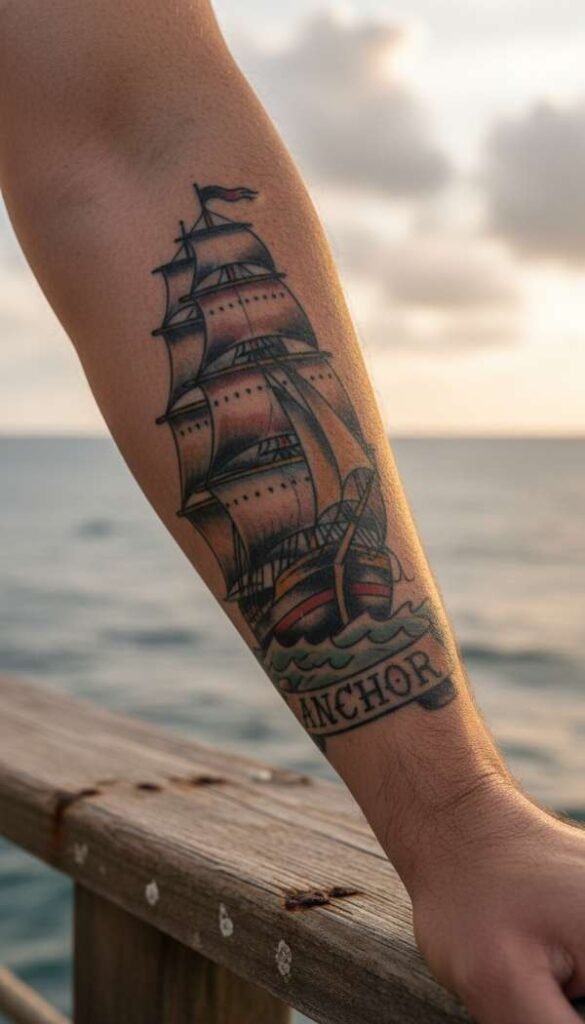
Every classic motif carries a specific and profound historical meaning. Sailors used these images to communicate their experiences and hopes for the future. We still use these meanings in modern traditional tattoos today.
The swallow is probably the most famous nautical design ever created. A sailor earned one swallow for every five thousand nautical miles traveled. This makes the swallow one of the most respected classic pieces you can get.
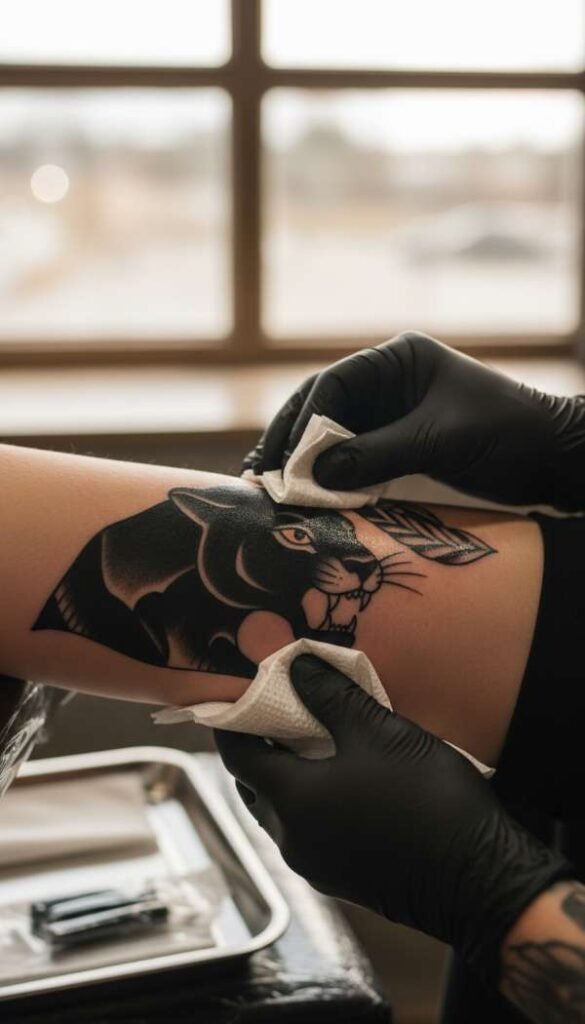
Panthers are another massive staple in the American tattooing community. The crawling black panther represents strength and prowess in the face of sudden danger. Many enthusiasts choose panther traditional tattoos to cover up older unwanted ink.
Roses represent love and are frequently paired with names or romantic banners. You will see roses used as filler in almost every classic sleeve. They bring a perfect pop of red to traditional tattoos that need extra color.
Eagles are fiercely patriotic symbols that dominate chests and backs. They represent American freedom and honor among those who wear them. An eagle is a massive commitment that always looks incredibly powerful.
Daggers symbolize justice and are often drawn piercing through hearts or animal skulls. These violent but beautiful images represent betrayal or a broken heart. They fit perfectly on long body parts like forearms and calves.
Ships with fully rigged sails are a gorgeous tribute to the high seas. They symbolize a homeward bound journey after a long and treacherous adventure. The intricate rigging provides a great opportunity for artists to show off their line work.
Pin up girls highlight the romantic longing sailors felt while away at sea. These beautiful women are usually drawn in classic fifties attire. They remain a highly requested motif in parlors all across the country.
Regional Differences In The USA
The style varies slightly depending on which coast you visit. New York shops historically favored darker shading and heavier black lines. This gave their artwork a distinctly gritty and tough appearance.
Meanwhile artists in California embraced brighter colors and slightly more relaxed rules. The west coast influence brought a lighter and highly vibrant feel to the art. Both coasts contributed massively to the overall culture of American body modification.
Midwestern shops acted as a melting pot for both distinct styles. Traveling artists would bring techniques from the coasts into the heartland. This created a beautiful blend of heavy black and bright pigments.
Today the internet has completely blurred these regional boundaries. An artist in Texas can easily study the work of a legend in Brooklyn. However some historic shops still fiercely protect their local aesthetic traditions.
We highly recommend visiting famous shops when you travel. Getting tattooed in a historically significant parlor is a truly magical experience. It connects you directly to the legendary figures of the past.
You might even meet older artists who worked alongside the pioneers. Hearing their stories is just as valuable as the artwork itself. The oral history of this community is incredibly rich and deeply treasured.
What To Expect During Your Session

Walking into a shop for the first time can feel somewhat intimidating. However the process is generally straightforward and incredibly exciting for newcomers. Getting traditional tattoos usually involves a very direct and efficient appointment.
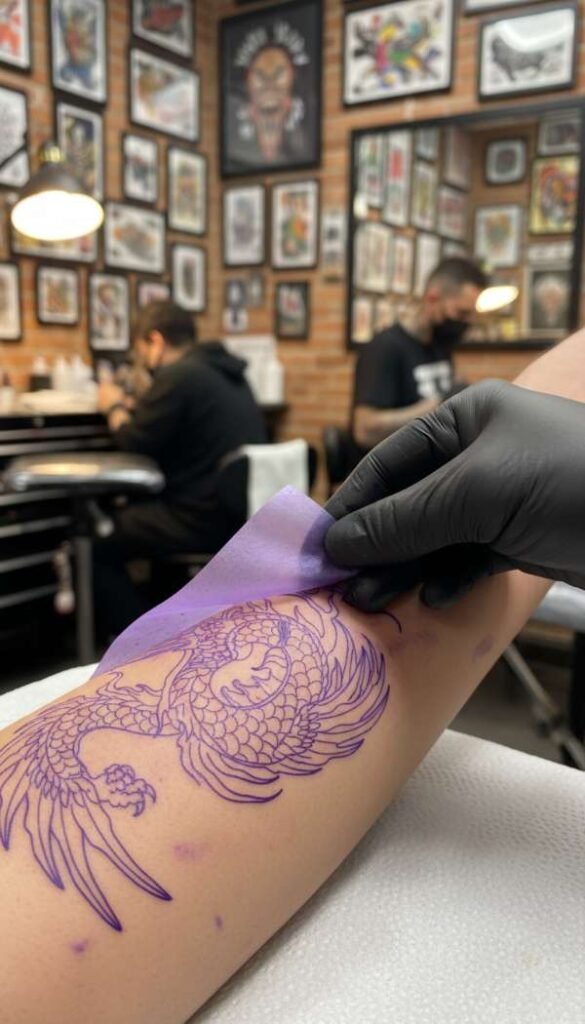
Your artist will start by placing the stencil exactly where you want it. They will wait a few minutes for the purple solution to dry on your skin. This step ensures your traditional tattoos will have perfectly crisp outlines.
The lining phase is often the most intense part of the experience. The artist uses a thick needle grouping to punch in those bold borders. You might find that bold lines feel slightly heavier during this initial step.
Once the outline is done the artist moves on to shading and color. They will pack the solid pigments tightly into your dermis. Reading up on first tattoo tips can help you prepare mentally for this stage.
Most sessions in this style are completed relatively quickly. The simplicity of the designs allows artists to work with great speed. You will not have to sit in the chair for eight agonizing hours.
Your artist will wipe the area frequently with a soothing green soap. This keeps the skin clean and provides a brief moment of cooling relief. It is perfectly normal to experience some redness and swelling during the process.
Once the final white highlights are added the piece is officially complete. The artist will clean the area thoroughly and prepare to wrap it. You will finally get to see your beautiful new artwork in the mirror.
Essential Aftercare Tips
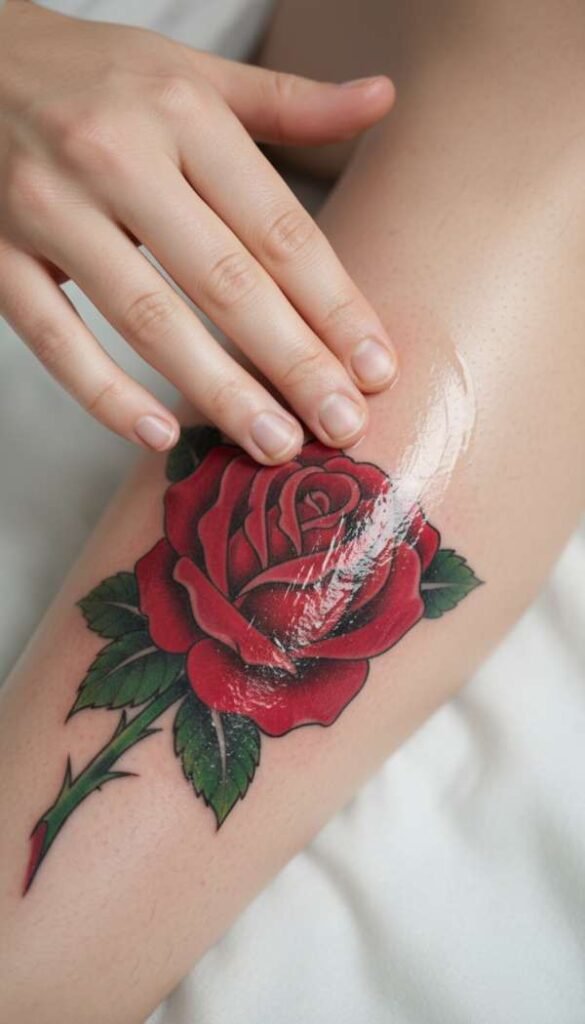
Healing your new art properly is absolutely vital for its overall longevity. Bold lines and packed color require special attention during the first two weeks. The way you heal traditional tattoos will determine how they look forever.
You must keep the area incredibly clean and consistently moisturized. Wash the piece gently with antibacterial soap twice a day. Applying a thin layer of recommended ointment keeps your traditional tattoos from drying out.
Avoid direct sunlight and swimming pools at all possible costs. The sun is the absolute worst enemy of bright pigments and crisp lines. You can read our full guide on tattoo aftercare for more detailed instructions.
Understanding the healing stages will ease your anxiety immensely. The first few days require the most strict attention to cleanliness. Here are the golden rules of healing your new piece:
- Wash the area with completely clean hands only.
- Pat the skin dry with a fresh disposable paper towel.
- Never pick at the scabs or peeling layers of skin.
- Wear extremely loose clothing over the fresh ink.
- Apply sunscreen only after the skin is fully healed.
The peeling phase usually begins around the fourth or fifth day. Your artwork will look slightly cloudy and dull during this entirely normal process. Do not panic because the vibrant colors will return once the dead skin falls off.
Continuing to moisturize daily will keep your skin looking completely fresh. Hydrated skin makes the bold black lines pop even after twenty years. A little daily lotion goes a very long way in this community.
Finding The Right Artist
Not every talented person with a machine can execute this exact style. It takes years of dedicated practice to master the bold lines required. You need to find someone who specializes exclusively in traditional tattoos for the best result.
Look at their portfolio and carefully inspect the consistency of their line work. The black borders should look incredibly smooth and uniform without any wiggles. Great traditional tattoos will always look solid and highly confident upon close inspection.
Many artists have huge books of pre drawn designs ready to go immediately. These collections are a perfect way to pick something truly authentic. Choosing from their flash designs guarantees you are getting a verified classic piece.
Do not be afraid to travel to find the absolutely perfect shop. Sometimes the best artist for the job lives a few towns over. Quality traditional tattoos are always worth a little extra driving time.
Communication is incredibly key when discussing your desired design. A good artist will explain why certain details must be simplified. Trust their professional judgment because they know exactly how the ink will age.
Pricing for these pieces varies greatly depending on the artist and location. Remember that you are paying for permanent artwork that will last a lifetime. Never haggle with your artist over the price of a timeless masterpiece.
Comparing Styles
It helps to see how this aesthetic stacks up against others in the industry. We have created a helpful breakdown of different popular industry categories. This table will show you why traditional tattoos stand completely apart from the rest.
Tattoo Features Contract
| Style Feature | American Classic | Realism | Fine Line |
|---|---|---|---|
| Outline Thickness | Very Bold | None | Extremely Thin |
| Color Palette | Primary Colors | Full Spectrum | Black and Grey |
| Aging Quality | Excellent | Moderate | Poor |
| Session Speed | Fast | Very Slow | Moderate |
As you can see the classic style wins heavily in overall longevity. Fine line pieces often fade incredibly quickly due to the delicate application process. If you want permanent artwork that lasts a lifetime choose traditional tattoos every time.
The cultural impact of these bold designs simply cannot be overstated today. They are a massive pillar of modern American culture and personal expression. You are wearing a piece of living history when you finally get one.
Realism requires constant touch ups to maintain its photographic appearance. The lack of black outlines causes the colors to eventually blur together. The classic aesthetic completely avoids this issue by using solid containment lines.
We hope this deep dive has truly inspired your next shop visit. There is always extra room for one more bold piece of beautiful art. Embrace the legendary legacy and book your next appointment today.
