

Japanese Tattoo Style Meanings History And Best Ideas
Welcome to the incredible world of traditional body art. If you are looking for a breathtaking design, you are in the right place.
There is something magical about the japanese tattoo style that captivates people globally. Collectors in the USA are especially drawn to this beautiful aesthetic.
This aesthetic blends rich mythology with bold visuals. It creates a stunning narrative on the human skin.
In this article, we will explore the japanese tattoo style in detail. You will learn about its history, meanings, and practical tips for your first session.
We promise to break down everything you need to know simply. This knowledge will give you ultimate confidence before sitting in the chair.
Our goal is to make your tattoo journey totally stress free and fun. Grab a cup of coffee and let us dive straight into the details.
The Deep History Behind The Ink
To truly appreciate the japanese tattoo style, we must look at its origins. The ancient practice is traditionally known as Irezumi in its native culture.
It dates back centuries to the famous Edo period. Back then, body art was often associated with merchants and colorful outlaws.
The rich history gives the japanese tattoo style a deep sense of rebellion and honor. Modern wearers often connect with this powerful historical background.
Today, the art form has transcended its original cultural boundaries. It is celebrated as fine art in museums and galleries worldwide.
The art heavily borrows from ancient woodblock prints. Master artists would translate these famous paintings directly onto the human body.
You can read more about its cultural significance on the Japanese American National Museum website.
Why This Aesthetic Is Booming In The USA
The american tattoo scene has always embraced bold and colorful designs. The japanese tattoo style fits perfectly into this vibrant culture.
Many enthusiasts love the massive scale of these traditional designs. Full sleeves and entire back pieces offer a massive canvas for personal expression.
Unlike smaller micro tattoos, this art is permanently built to last a lifetime. The bold lines and heavy black backgrounds age incredibly well.
More and more artists in the United States are dedicating their lives to this craft. They travel the globe to learn directly from traditional masters.
This cross cultural exchange makes the japanese tattoo style more accessible than ever. You do not have to fly to Tokyo to get world class ink anymore.
Pop culture and modern anime have also pushed this awesome trend forward. Younger generations in America are exposed to these beautiful visuals constantly.
Core Elements Of A Japanese Tattoo Style
Every traditional piece follows strict rules of visual composition. The japanese tattoo style relies heavily on beautiful balance and extreme contrast.
A central subject is always paired with a specific seasonal element. For example, a koi fish is usually paired with maple leaves or cherry blossoms.
The background plays a massive role in the japanese tattoo style as well. Swirling wind bars and finger waves frame the central image beautifully.
This creates a seamless flow across the natural contours of your body. The tattoo moves dynamically as your muscles contract and relax.
The artwork is designed to be read like a visual storybook. The left and right sides of the body often mirror each other in thematic opposition.
Certain flowers can only be paired with certain animals. Breaking these ancient rules is frowned upon by strict traditionalists.
Popular Motifs And Their Meanings
You cannot discuss this art without looking at its legendary subjects. Every creature and flower in the japanese tattoo style has a specific meaning.
Choosing the right motif is a very personal and emotional journey. It is meant to reflect your own life story and personal struggles.
We highly recommend reading our tattoo placement ideas guide before making a final choice. Placement can completely change the vibe of your design.
Below is a breakdown of the most common elements you will encounter. Each one carries centuries of deep mythological significance.
- Dragons representing ancient wisdom and supreme power.
- Koi fish symbolizing intense perseverance and dedication.
- Tiger designs showing raw courage and physical strength.
- Peonies bringing immense wealth and good fortune.
- Cherry blossoms representing the fleeting nature of human life.
The Dragon Motif Explained
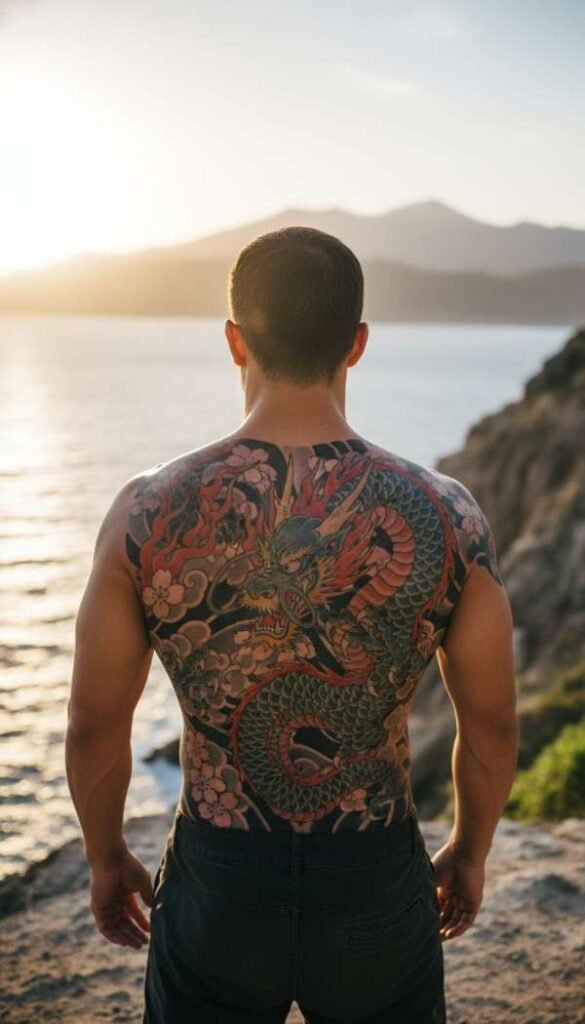
The dragon is perhaps the most iconic subject in the japanese tattoo style. These mythical beasts are seen as benevolent protectors of mankind.
Unlike western dragons, they are closely associated with water and rain. They manipulate the local rivers to aid the village harvest.
Getting a dragon piece shows that you value inner wisdom and quiet strength. It is a very popular choice for full sleeves or large chest panels.
Interestingly, the number of claws on a dragon can signify its origin. Japanese dragons typically have three claws instead of five.
They are often depicted holding a magical jewel in their hands. This jewel represents spiritual wealth and ultimate truth.
Your artist can customize the colors of the dragon scales. Green and blue dragons are incredibly popular among modern collectors.
The Koi Fish And Perseverance
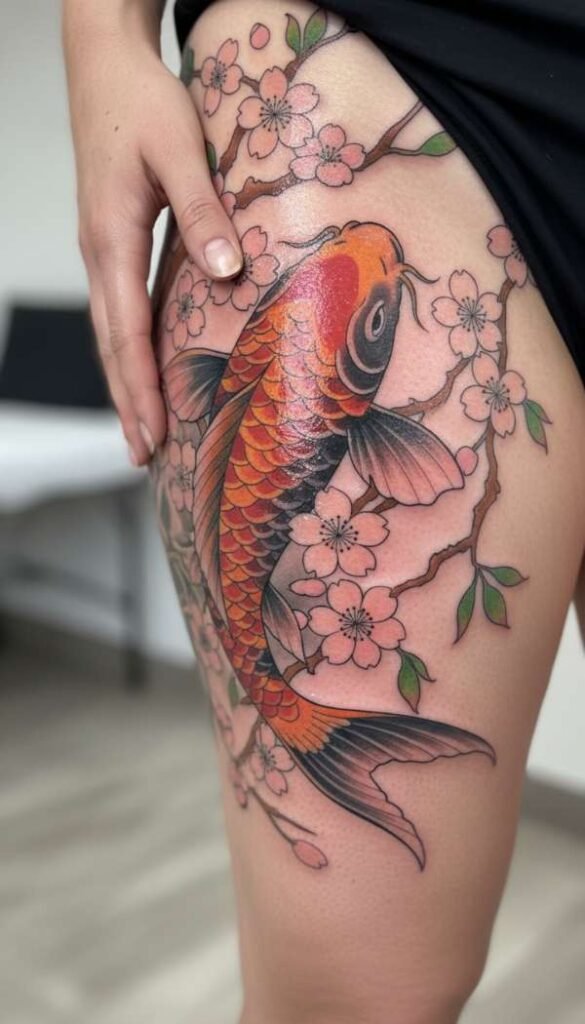
The koi fish is another massive staple in the japanese tattoo style. It tells a beautiful story of overcoming extreme adversity and hardship.
According to legend, a koi that swims up a giant waterfall will transform into a dragon. This makes it the ultimate symbol of hard work.
Many USA collectors relate deeply to this story of personal transformation. It is perfect for someone who has survived a very difficult time in their life.
This motif is highly adaptable to different body parts. It looks equally amazing on a calf muscle or a lower forearm.
The direction the fish is swimming also changes its exact meaning. Swimming up represents an ongoing battle, while swimming down signifies an achieved goal.
Bright orange and gold colors are usually chosen for the fish. These warm tones pop beautifully against the dark water background.
Oni Masks And Fierce Protectors
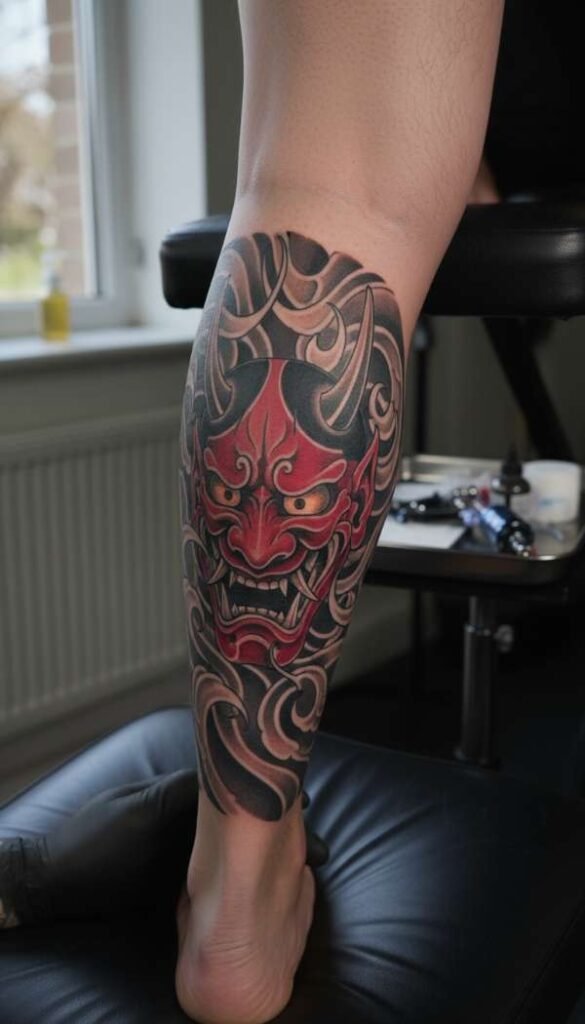
For those wanting something edgy, the Oni mask is a spectacular choice. The japanese tattoo style frequently uses these striking demon faces.
Despite their scary appearance, Oni are often meant to ward off bad luck. They act as fierce spiritual bodyguards for the wearer.
The vivid red and blue colors of the mask make it pop on any skin tone. It is a fantastic option for a highly visible placement like a thigh.
You can pair an Oni with cherry blossoms to soften the overall look. This creates the classic aesthetic balance of beauty and danger.
You might also see the famous Hannya mask in many designs. This represents a jealous woman who transformed into a vengeful spirit.
These masks feature large metallic eyes and terrifying horns. They demand attention and respect from anyone who sees them.
Understanding The Background Elements
We mentioned backgrounds earlier, but they deserve their own detailed section. The background is what truly sets the japanese tattoo style apart from others.
These backgrounds consist of dark wind bars, smooth water ripples, and storm clouds. They tie multiple standalone pieces into one cohesive bodysuit.
The heavy black and gray shading provides maximum visual contrast. This makes the colorful main subjects stand out brilliantly in the center.
This contrast creates a beautiful illusion of three dimensional depth. It is a clever visual trick that makes the tattoos look completely alive.
A well executed background takes many years of practice to master. This is exactly why you must seek out a highly skilled specialist.
Never rush the background shading during your appointments. It is the crucial foundation that holds your entire masterpiece together.
Tebori Versus Modern Tattoo Machines
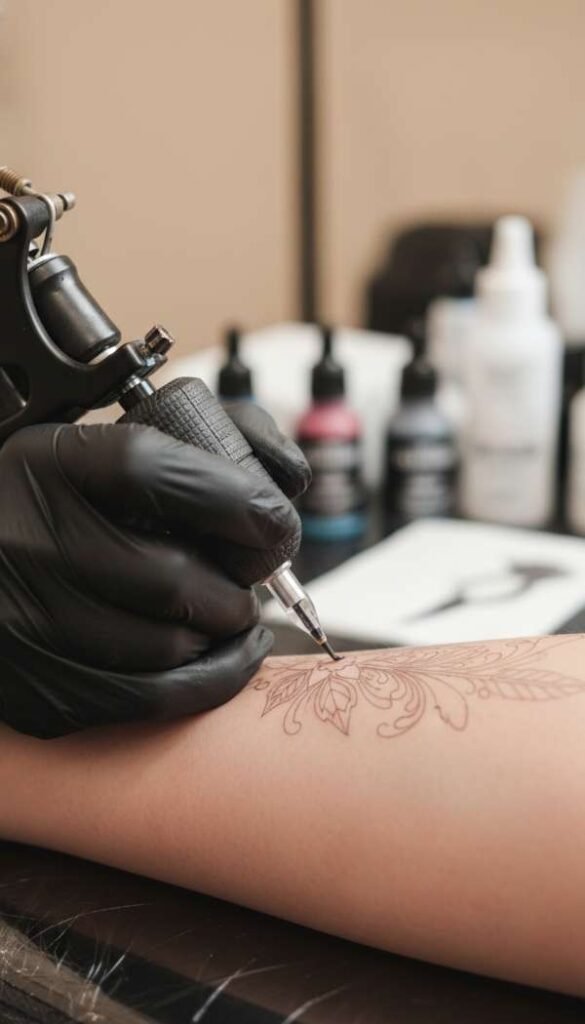
When researching the japanese tattoo style, you might hear the term Tebori. This is the traditional method of hand poking the ink into the skin.
Many purists believe Tebori packs vibrant color more solidly than a machine. It is a quiet, meditative process without the loud buzzing sound of a motor.
Fans of Tebori often claim the healing process is significantly faster. The gentle hand poking technique causes less overall trauma to the top layer of skin.
However, most artists in the USA use modern rotary or coil machines. Machines are much faster and can achieve incredibly crisp outlines.
Both methods are perfectly valid ways to get an amazing traditional piece. It ultimately comes down to your personal preference and artistic budget constraints.
You can read a fantastic article on modern tattooing techniques over at Inked Magazine.
Finding An Authentic Artist In America
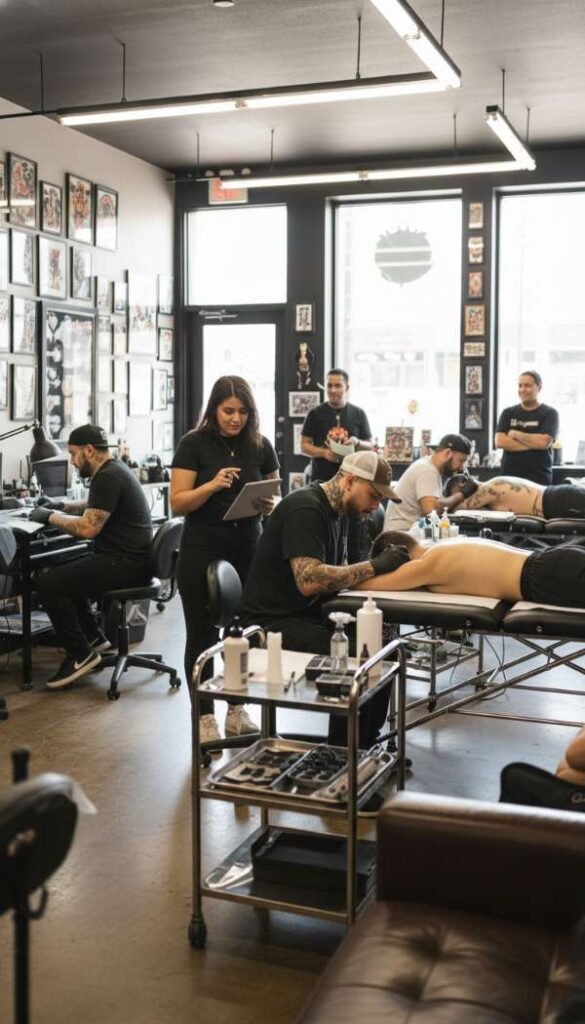
Locating a true master of the japanese tattoo style takes some serious research. You cannot just walk into any local street shop for this type of complex work.
Look for an artist whose portfolio consists primarily of large scale traditional pieces. Check their bold lines for consistency and their colors for deep saturation.
Schedule a consultation to discuss your awesome ideas in person. A good artist will expertly guide you on the proper pairing of seasons and subjects.
Tattoo conventions are a brilliant place to find these skilled masters locally. Hundreds of top tier professionals gather under one roof to showcase their immense talents.
Be prepared to wait patiently for an opening in their busy schedule. The best practitioners of the japanese tattoo style are usually booked out for several months.
You can also learn about comparing aesthetics in our guide on american traditional versus japanese tattoos.
Pain Levels And Placement Ideas
Pain is a totally natural part of acquiring any permanent body art. The japanese tattoo style often requires extremely long sessions over several months.
Some areas of the body are much more physically sensitive than others. The ribs, kneecaps, and inner biceps are notoriously spicy spots for the needle.
The outer arms and thighs are generally much more forgiving for your very first time. Always communicate openly with your artist if you need a short break.
Eating a huge solid meal before your appointment is absolutely crucial. This keeps your blood sugar super stable during the intense physical process.
Staying highly hydrated before your session makes your skin much more supple. This helps the needle penetrate easily and deposits the vibrant ink flawlessly.
Bring some sugary snacks and plenty of water to the studio. Your artist will appreciate your excellent preparation and positive attitude.
Healing And Long Term Aftercare
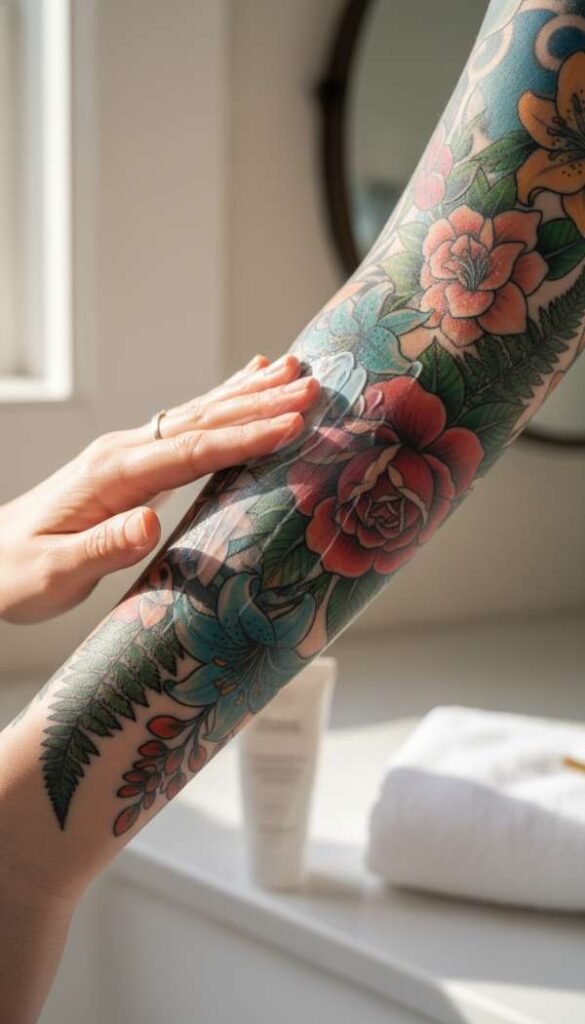
Proper aftercare is totally essential for keeping your new colors incredibly bright. The japanese tattoo style uses dense packing of ink that needs ample time to heal.
Keep the fresh area super clean with a gentle unscented antibacterial soap. Apply a very thin layer of tattoo specific ointment for the first few days.
Never pick at the natural scabs or scratch the intensely itchy skin. This mistake can literally pull the expensive ink right out of your body.
Wear loose and breathable cotton clothing completely over your fresh piece. Tight synthetic fabrics will cause friction and ruin the delicate healing scabs.
For more detailed instructions, please immediately review our comprehensive tattoo aftercare guide.
Sun protection is your absolute best friend once the piece is fully healed. Always apply a high SPF sunscreen to prevent nasty fading over the decades.
Summary Of Tattoo Features
To make things super easy, we have summarized the key points for you. Understanding the permanent commitments of the japanese tattoo style is very important.
Review the handy table below before booking your first big studio consultation. It will give you a totally realistic idea of what to expect from the process.
It is always better to be fully prepared than totally surprised. Share this chart with your friends if they are curious about traditional ink.
Tattoo Features Contract
| Feature | Description |
|---|---|
| Primary Aesthetic | Bold lines, heavy black backgrounds, vibrant color subjects |
| Pain Level | Moderate to High (due to extensive shading and large scale) |
| Healing Time | 3 to 4 weeks per individual session |
| Average Cost | High (often requires multiple full day sessions) |
| Common Motifs | Dragons, Koi Fish, Oni Masks, Tigers, Cherry Blossoms |
| Longevity | Excellent (bold designs age incredibly well) |

Frequently Asked Questions
You likely still have a few questions before safely taking the plunge. The japanese tattoo style is a massive commitment of both time and money.
We have gathered the most common questions from our awesome loyal readers. Read through these detailed answers to easily ease any lingering anxieties.


